Three Neglected Areas in Worldbuilding
Worldbuilding is the process of dreaming up fictional worlds or universes for use in literature, film, TV, or just for fun. It often draws inspiration from real-world disciplines such as history, ecology, and geography. Worldbuilding is especially useful in works of fantasy. Realistic fiction often draws on the real world to lend complexity and dynamism to characters, so in fantasy, an equally complex constructed world is often needed to provide the same coherence. In this article, I will discuss three areas or aspects of worldbuilding that I feel are often overlooked but are really quite interesting and can add a lot to the next fantastical world you want to envision.
Political Geography - This is essentially how geography relates to states and how they function. Different landforms can have a shockingly great impact on what states exist in a particular region. If you ever want to set up a barrier between two civilizations, go with mountains or maybe some vast rivers. The Alps, Pyrenees, and Danube in Europe have carved it out into many culturally diverse states and prevented the formation of vast empires. The plateaus of Central Asia have allowed Turks and Mongols to create huge confederacies on horseback. I often see a total disregard for political geography in fantasy works. One example is George R.R. Martin's A Song of Ice and Fire series, where he uses the history of Great Britain, a group of islands, as inspiration for the history of an entire continent, claiming that an entire continent with many rivers and mountains was ruled by only one kingdom for several centuries.
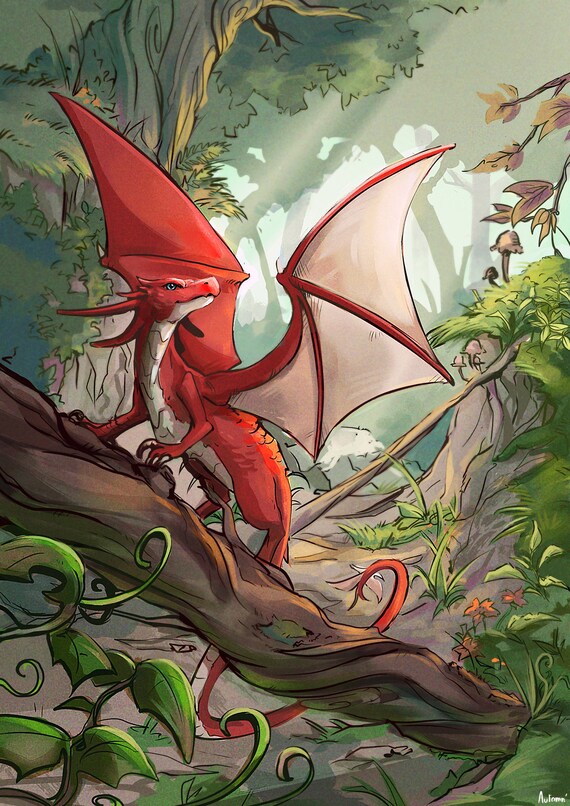
Fauna - Animals have a great impact on human civilization, but I often don't see a lot of creativity with them in fantasy works. One example that immediately comes to mind in the real-world is horses. Various Eurasian communities depended on horses for transport and were only able to forge connections with their help. Some communities in the Americas remained relatively isolated until horses were introduced. Similarly, civilizations separated by deserts in Southeast Asia could only have contact with each other until traders introduced camels to the region. Since the beasts depicted in fantasy are very different from those in the real world, I think worldbuilders should give more thought to how exactly they might impact the functioning of a civilization. For example, a culture that uses dragons or griffins for transport might have independent outposts in areas that would otherwise be completely cut off from each other.
Flora - Plants also have a huge effect on how we live. Plants are used for all kinds of purposes. They make up most our diets, are woven to make textiles, and are smoked in pipes. Oftentimes, the plants that a region is capable of producing play a huge part in the fate of the humans that live there. Much of the global East was colonized by European powers for the sole purpose of gaining access to treasured spices and tea. The Southern United States and Caribbean were once hotbeds of slavery because cotton, tobacco, and rice could all be easily grown there, and those crops often require extensive work in the fields. Imaginary plants could have a lot of use in fantasy or constructed worlds. Maybe a king who has been rejected conquers a region that grows ingredients for love potions or a jungle is completely impenetrable because the natives have tamed huge carnivorous plants.
I recognize that constructed worlds don't have to and can't be as detailed as the real world, but I think that incorporating these topics into fictional universes might be really interesting. Do you know of any works that do incorporate these topics into fictional worlds? Mention them in the comments below!
Image Source:
https://i.etsystatic.com/20373191/r/il/899f42/1947163007/il_1588xN.1947163007_1lgi.jpg

I think it's really interesting how you brought up how different things can interact and change how a world functions. I usually don't think about these things while I'm reading but I think I'll try to observe the different worlds in fantasy novels in the future. Great post!
ReplyDeleteSuper interesting point. I've definitely felt some of these problems, when worldbuilding feels a little lazy. I've event felt some of the problems of too MUCH worldbuilding in the political geography lane, where they name everything extremely complicated names like Kugr'Iheflks or something. Too much information at once feels like they're dumping info just to get it out of the way but it's very difficult to remember what's what and who everyone is.
ReplyDeleteI agree that the inclusion of political geography and special flora would make the worlds of a lot of stories more fleshed out, but I worry that all this extra information might bloat up a story and make the reader lose focus of the plot. Political geography might be unrealistic, but since we're usually dealing with fantasy worlds, it's not entirely unrealistic. If a story has a large set of alien or fantasy creatures, the author probably already really cares about how they play into the world and the story. I also think flora in fiction usually boils down to hostile or harmful flora like giant flytraps or super poison ivy. Many adventure stories that I've read don't really deal with the topic of food at all, but I still think that their worlds are incredible.
ReplyDeleteI agree! I think that these areas do have a huge effect on how a civilization develops, and I think part of the reason they aren't addressed too much is because books don't tend to focus on them. For example, I don't think I've ever read a fantasy/sci-fi (I assume this post is mostly for those two genres) book that focuses on a botanist, or a politics focused one. They tend to star adventurers, not so much politicians or farmers so this information (while it would be appreciated) doesn't really occur to the author.
ReplyDelete